
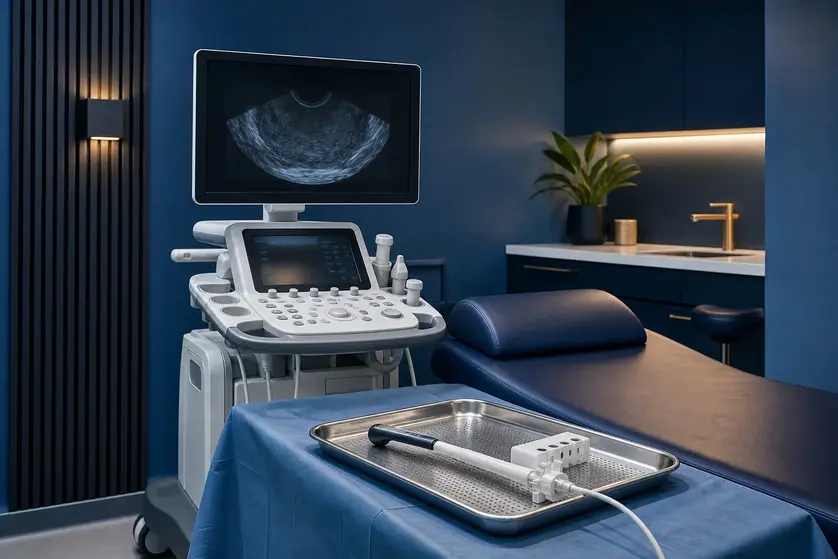

Raised PSA & Prostate Cancer Assessment

Private raised PSA and prostate cancer assessment across Leeds, West & South Yorkshire with Consultant Urologist Mr Mohammed Aldiwani. Clear advice, prostate MRI and targeted biopsy where needed.

At Yorkshire Urology Clinic, we provide specialist private assessment for men with an elevated PSA, abnormal prostate examination, or concerns about their prostate health. Mr Mohammed Aldiwani, Consultant Urological Surgeon, provides rapid consultations for patients across Leeds, West and South Yorkshire, offering clear advice and a modern approach to prostate cancer diagnosis, including personalised risk assessment, prostate MRI scans and targeted prostate biopsy where required. Our aim is to provide a thorough and efficient assessment, helping you understand your results and make informed decisions about your care.

Understanding the Diagnostic Pathway

Prostate-specific antigen, or PSA, is a naturally occuring protein produced by the prostate gland that can be detected in the blood. The prostate is a sexual gland at the base of the bladder and produces fluid that nourishes and transports sperm. A raised PSA can be caused by several conditions. These include an enlarged prostate, inflammation, urinary infection, recent procedures and prostate cancer. The PSA result therefore needs to be interpreted alongside age, prostate size, symptoms, previous PSA results, family history, ethnicity, examination findings and prostate imaging. Mr Mohammed Aldiwani offers private prostate cancer assessment across Leeds, West and South Yorkshire for men with a raised PSA, abnormal prostate examination, concerning MRI findings, or uncertainty about whether further investigation is needed.

“It is not simply to perform more tests. It is to identify clinically important prostate cancer while avoiding unnecessary investigation where it is safe to do so.”

The diagnostic pathway has evolved considerably in recent years. European and national guidelines support an MRI-led, risk adapted diagnostic approach for increased accuracy and reduce the need for avoidable invasive tests.

How You Are Assessed

Urology consultation icon

Step 1 - Consultation and Risk Assessment

Your PSA history, urinary symptoms, family history, medical history and previous investigations are reviewed. A prostate examination may also be recommended.

Step 2 - Prostate MRI

Imaging MRI provides detailed images of the prostate and identifies areas that may require closer assessment or targeted biopsy.

MRI and PSA density review icon

Step 3 - Review of MRI and PSA Density

The MRI result is interpreted alongside the PSA level, prostate volume and other risk factors to estimate the likelihood of clinically significant cancer.

Prostate assessment icon

Step 4 - Transperineal Prostate Biopsy

If biopsy is recommended, tissue samples can be taken through the skin between the scrotum and anus, targeting suspicious areas seen on MRI and sampling the prostate more broadly where appropriate.

Personalised treatment plan icon

Step 5 - Results and Personalised Plan

The biopsy grade, MRI findings, PSA and clinical stage are combined to explain the significance of any cancer found and the appropriate next steps.
What does a raised PSA mean?

PSA is a protein produced by prostate tissue. A raised PSA can be associated with prostate cancer, but it is not a cancer-specific test. A single result rarely tells the whole story. The PSA trend over time, prostate size, urinary symptoms, infection, recent procedures and individual risk factors all influence how the result should be interpreted.

The PSA level can also be compared with prostate volume to calculate PSA density, which may help refine the assessment.

PSA level icon

PSA level

Your current result and how it has changed over time.

Prostate size icon

Prostate size

A larger benign prostate may naturally produce more PSA resulting in a raised PSA test.

Individual risk

Age, family history, ethnicity, examination and previous results all contribute.
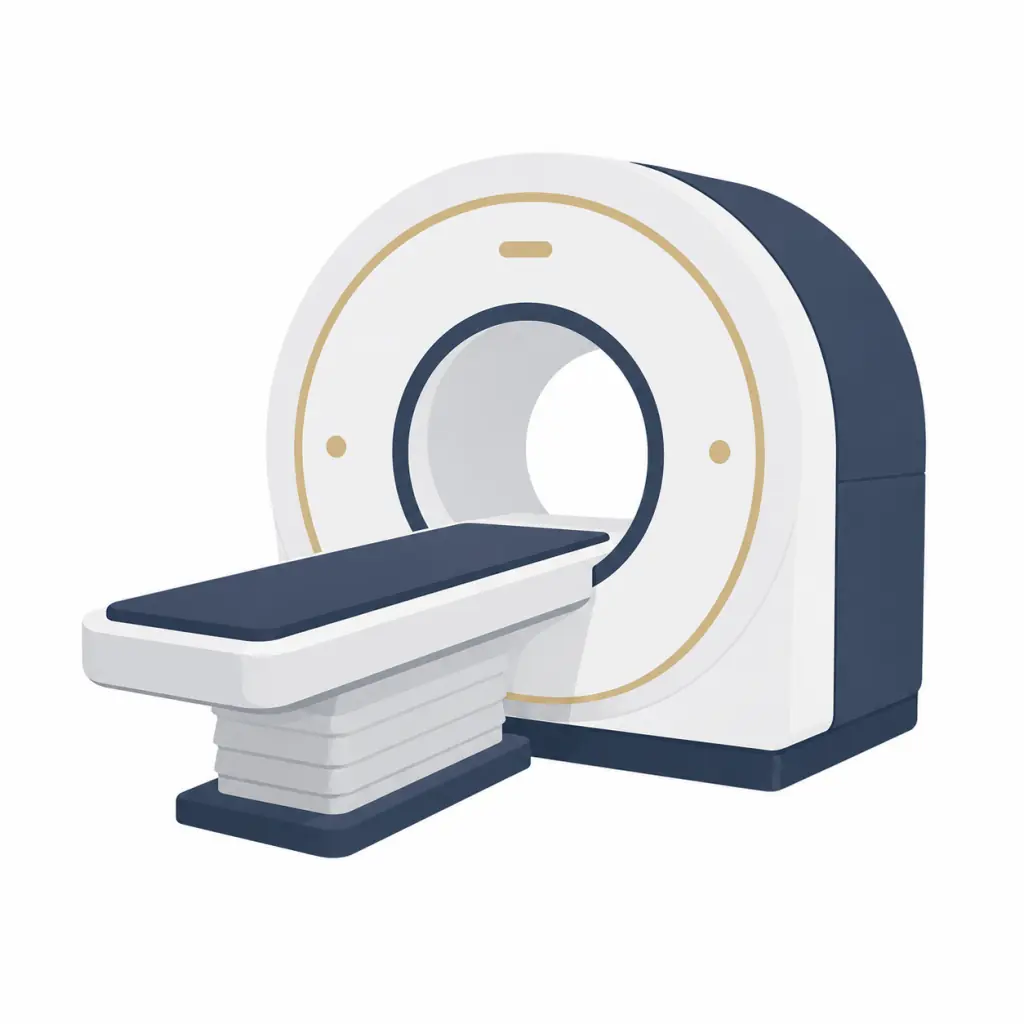
Prostate MRI before biopsy

Prostate MRI scan before biopsy

A prostate MRI is usually the next major investigation when clinically significant prostate cancer is suspected. MRI can identify suspicious areas, estimate their level of concern, measure the prostate and help guide targeted biopsy. A reassuring MRI may allow some men to avoid immediate biopsy, although this decision also depends on PSA density and the wider clinical risk.

A PI-RADS or Likert score (1-5) is assigned to categorise MRI findings.

Likert or PI-RADS 1–2

Low suspicion, although the result still needs to be interpreted alongside PSA density and other risk factors.

Likert or PI-RADS 3

An uncertain or equivocal area that requires closer clinical risk assessment.

Likert or PI-RADS 4–5

A suspicious area for which targeted biopsy will commonly be considered.

Transperineal prostate biopsy

A prostate biopsy takes small samples of tissue so that a pathologist can determine whether cancer is present and, if so, how aggressive it appears.

During a transperineal biopsy, samples are taken through the skin between the scrotum and anus rather than through the rectum. Suspicious areas seen on MRI can be targeted, together with systematic samples where clinically appropriate.

Clear preparation and aftercare

You will receive advice about medications, bleeding, infection, urinary symptoms and when to seek help. Possible effects include blood in the urine or semen, temporary discomfort, difficulty passing urine, infection and the possibility that a biopsy may not detect every cancer present.

Your Treatment Options

Not all prostate cancers behave in the same way. Some are low risk and may be monitored safely, while others require active treatment. The biopsy is reported using Grade Groups, together with information about how much cancer is present. The biopsy findings are then considered alongside the PSA, MRI and clinical stage to estimate the overall risk.

Active surveillance

Suitable low-risk cancers may be monitored closely rather than treated immediately.

Monitoring

Localised treatment

Depending on the cancer and the individual patient, treatment options may include surgery, radiotherapy or focal therapy following specialist multidisciplinary review.

Treatment

Further staging

Higher-risk cancers may require additional imaging before a treatment recommendation is made.

Further investigation

Mr Aldiwani can explain the diagnosis, place the findings in context and arrange onward referral to the appropriate prostate cancer treatment specialists where required.

Frequently asked questions

Does a raised PSA mean I have prostate cancer?

No. PSA can be raised by benign prostate enlargement, inflammation, infection and urinary problems as well as prostate cancer. It should be interpreted alongside other clinical information.

In most men being investigated for suspected localised prostate cancer, prostate MRI is performed before biopsy. It can identify suspicious areas and help guide targeted sampling.

A reassuring MRI reduces the likelihood of clinically significant prostate cancer but does not remove the risk completely. PSA density and other factors help determine whether monitoring or biopsy is safer.

It is a prostate biopsy performed through the skin between the scrotum and anus. Samples can be targeted towards MRI abnormalities and taken systematically from other areas.

Grade Group describes how abnormal and potentially aggressive the cancer appears under the microscope. Higher Grade Groups generally indicate more aggressive disease. These are classified from 1 (least aggressive) to 5 (most aggressive)

Yes. A second opinion may help if you are uncertain whether biopsy is needed, have conflicting PSA and MRI findings, have had a previous negative biopsy, or want a clearer explanation of a recent diagnosis.

Not always. Prostate cancer is very common and many men have non aggressive cancers that are safe to be monitored. Overtreatment can cause more problems than it solves.

Decisions about treatment take into account many factors including the disease status, MRI stage, age, fitness and priorities around side-effects of treatment.

After a diagnosis, patients are discussed in multi-disciplinary team (MDT) meeting. Treatments are likely to require referral to larger units with more advanced facilities.

Book an assessment

New consultation £220
Follow-up £150

Recognised by BUPA, AXA, Aviva, Vitality, Cigna, Healix, WPA, and all major private healthcare insurers. If your insurer is not listed, please contact the clinic team to verify coverage.

Quick facts

Best suited to

Raised PSA, abnormal prostate exam, or concerning MRI findings

Diagnostic pathway

Consultation → prostate MRI → biopsy if needed

Biopsy technique

Transperineal (through the skin, not the rectum)

Key benefit

Avoids unnecessary biopsy where MRI is reassuring

More treatments