
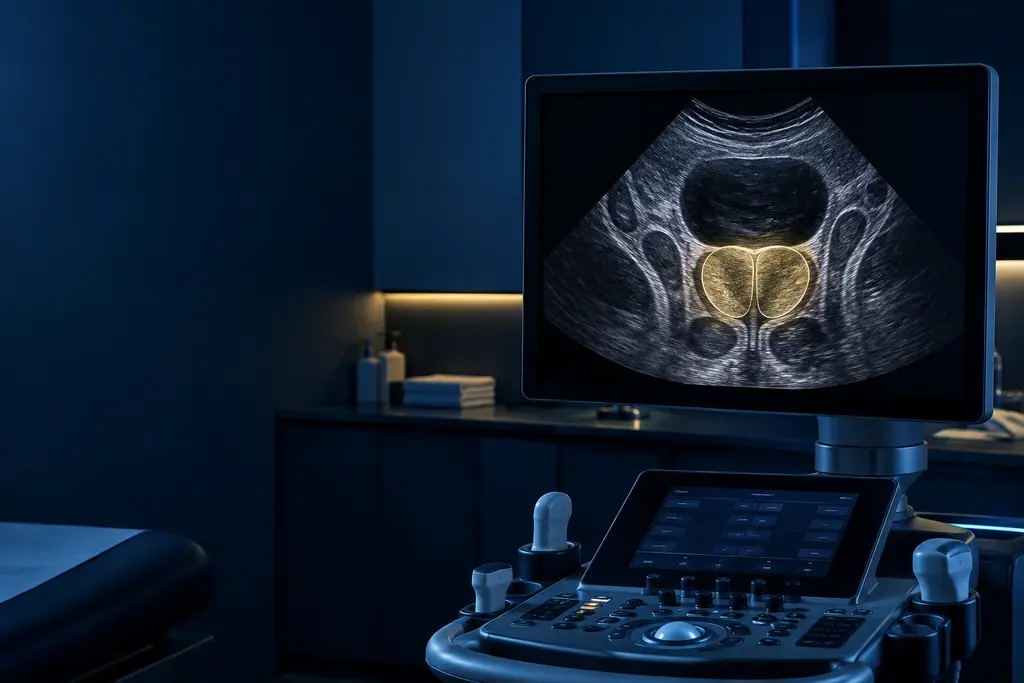
Many men experience changes in their urinary symptoms as they get older. Problems such as passing urine more frequently, waking at night to pass urine, a slow urinary stream, difficulty emptying the bladder or needing to rush to the toilet are commonly linked to an enlarged prostate (benign prostate enlargement or BPH). Specialist assessment and personalised treatment can help identify the cause of your symptoms and find the most appropriate way forward. Mr Mohammed Aldiwani, Consultant Urological Surgeon, offers clear advice and a full range of treatment options, from lifestyle changes and medication through to advanced prostate procedures. Receive expert care and a treatment plan tailored around your symptoms, priorities and quality of life.
Understanding Your Symptoms
Urinary symptoms and enlarged prostate are common, but they don’t have to be accepted
Benign prostate enlargement, also known as BPH, is a common cause of urinary symptoms in men.
As the prostate enlarges, it can narrow the urinary channel and make it harder for the bladder to empty. However, not every urinary symptom is caused by prostate obstruction. Bladder overactivity, infection, medication, diabetes and other conditions can produce similar symptoms.
The first step is to understand whether symptoms are caused mainly by the prostate, the bladder, or a combination of both.
“The best treatment is not simply the newest procedure. It is the treatment that best matches your prostate size, anatomy, symptoms, priorities and long-term goals.”
Symptoms of an enlarged prostate
Symptoms can relate to urinary flow (voiding), bladder storage, or both.
Voiding Symptoms
- Slow or weak urinary stream
- Difficulty starting
- Stopping and starting
- Straining
- Incomplete emptying
- Dribbling afterwards
Storage Symptoms
- Passing urine frequently
- Getting up at night
- Urgency
- Difficulty postponing urination
- Urge leakage
“The best treatment is not simply the newest procedure. It is the treatment that best matches your prostate size, anatomy, symptoms, priorities and long-term goals.”
How You Are Assessed
A good treatment decision starts with a proper assessment of the prostate, bladder and personal priorities.

01 - Consultation and symptom score
Your symptoms, impact on daily life, medical history and medication are reviewed. An IPSS questionnaire is a helpful tool to benchmark your current symptoms.

02 - Examination and PSA
A prostate examination and PSA blood test may be recommended depending on age and risk. This is to gauge the size of your prostate as well as screen for prostate cancer. See our dedicated prostate cancer diagnostics page for more information.
03 - Flow rate and residual urine
A flow test measures the stream, while ultrasound assesses bladder emptying.
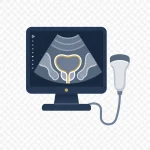
04 - Prostate size and anatomy
Not all prostates are alike. Ultrasound, cystoscopy or imaging may be used to assess prostate size, shape and obstruction. This is particularly important to enable the most appropriate individualised treatment plan.

05 - Personal priorities
Recovery, ejaculation, durability and avoiding long-term medication all matter.
Complications of an enlarged prostate
Most men experience bothersome urinary symptoms rather than serious harm. However, if obstruction becomes significant or the bladder does not empty properly, complications can develop.
Acute Urinary Retention
A sudden inability to pass urine. This is usually painful and requires urgent treatment with a urinary catheter.
Chronic urinary retention
The bladder may gradually retain increasing amounts of urine. Over time, it can become overstretched and less effective at emptying.
Recurrent urinary infections
Urine left behind in the bladder can increase the risk of repeated urinary tract infections. This can be normal urine infections or infections of prostate, kidneys or testicles.
Bladder stones
Stagnant urine may contribute to stone formation, causing pain, infection, bleeding or interruption of the urinary stream.
Bladder damage
Long-standing obstruction can cause thickening, reduced flexibility and weakening of the bladder muscle.
Pressure on the kidneys
Severe or prolonged retention can occasionally cause kidney swelling and reduced kidney function, requiring prompt assessment.
Bleeding
Enlarged prostates can bleed without trigger due to friable surface blood vesssels.
When surgery may be considered
Recurrent retention, repeated infections, bladder stones, kidney impairment or persistent bleeding may be reasons to consider surgery rather than continuing with medication alone.
Seek urgent medical attention
If you are suddenly unable to pass urine, develop severe lower abdominal pain, have fever with urinary symptoms, or feel acutely unwell.
New night-time bedwetting is an important warning sign of high pressure chronic retention and may indicate kidney risk of kidney damage.
Your Treatment Options
Many surgical treatments have been developed. Some have lasted the test of time. Each has a different balance of recovery, symptom improvement, durability and sexual side effects. (Please note that we are not able to offer all of these options privately)
Tablets
Often first treatment for mild to moderate symptoms. Easy to start, but usually requires ongoing use.
Medication
UroLift
Implants hold prostate tissue away from the urinary channel. Recovery is usually quick and ejaculation is often preserved although treatment effect is more modest.
Minimally invasive
Rezūm
Steam treats obstructing tissue, which gradually shrinks. Improvement is slower and a temporary catheter is common.
Minimally invasive
PAE
A radiology procedure where the blood supply to the prostate is blocked off causing gradual shrinkage.
Established surgery
TURP
An established operation that removes obstructing tissue through the urethra using an electrode loop.
Established surgery
HoLEP
A durable tissue-removing procedure suitable across a broad range of prostate sizes.
Laser enucleation
Aquablation
High-pressure water jets remove tissue under ultrasound guidance.
Robotic planned
Which enlarged prostate treatment is best?
There is no single best operation for every patient. The right option depends on anatomy, bladder function, treatment goals and the trade-offs you are willing to accept.
- Prostate size and shape
- Severity of obstruction
- Bladder function
- Retention or catheter dependence
- Bleeding risk and anti-coagulants
- Importance of preserving ejaculation
- Recovery vs durability
- Possibility of retreatment
Frequently asked questions
The questions below explain how private prostate surgery and BPH treatments work for patients across Leeds, West and South Yorkshire. Not all treatments are available privately; some are available in regional specialist centres and may require referral.
Does an enlarged prostate mean cancer?
No. Benign prostate enlargement is not prostate cancer, although both can occur at the same time.
Which treatments are best at preserving ejaculation?
UroLift and Rezūm generally have a lower risk of ejaculatory change than TURP or HoLEP.
When should I consider surgery?
When symptoms remain troublesome despite medication, medication causes side effects, or complications develop.
Which treatments are most durable?
Procedures removing more tissue, such as HoLEP and TURP, generally offer more durable relief. These are often referred to as cavitating procedures.
Which BPH treatments are being offered?
Mr Aldiwani has first hand experience with all of the treatment options mentioned. Due to technical constraints we are limited to offering Bipolar TURP, Urolift and Rezum only. HoLEP is available for select cases. Contact us for more information. Aquablation would require external referral.
Book an assessment
New consultation £220
Follow-up £150
Recognised by BUPA, AXA, Aviva, Vitality, Cigna, Healix, WPA, and all major private healthcare insurers. If your insurer is not listed, please contact the clinic team to verify coverage.
Quick facts
Hospital stay
Day case – 1 night
Anaesthetic
Spinal or general
Recovery
1–4 weeks by procedure
Ejaculation preserved
UroLift / Rezūm best